
Reduce Your Digestate Volume. Create a highly valuable concentrate.
Highly robust dewatering with extremely low energy demand through forward osmosis.
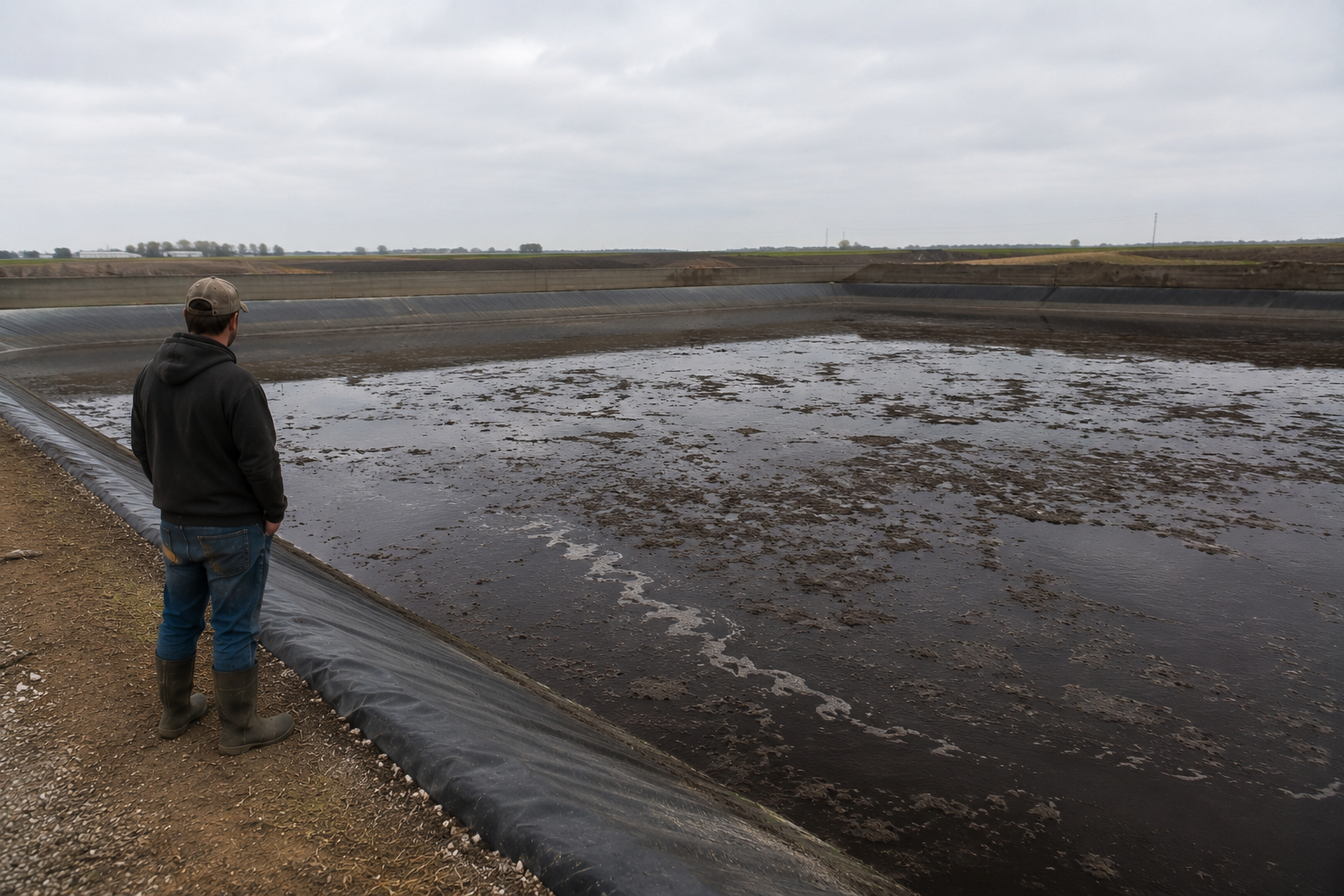
Dewatering Digestate & Manure
Digestate and manure volumes keep growing while disposal options shrink. Spreading windows are regulated and maxed out. Storage is expensive. Transport costs rise every year. Conventional membrane processes (reverse osmosis and ultrafiltration) clog rapidly, and evaporation generates extremely high energy costs.
Our forward osmosis system processes raw digestate or manure directly no pretreatment reducing volume to just 8-10% and separating into three usable output streams.
WHO potable water quality, directly or indirectly dischargeable
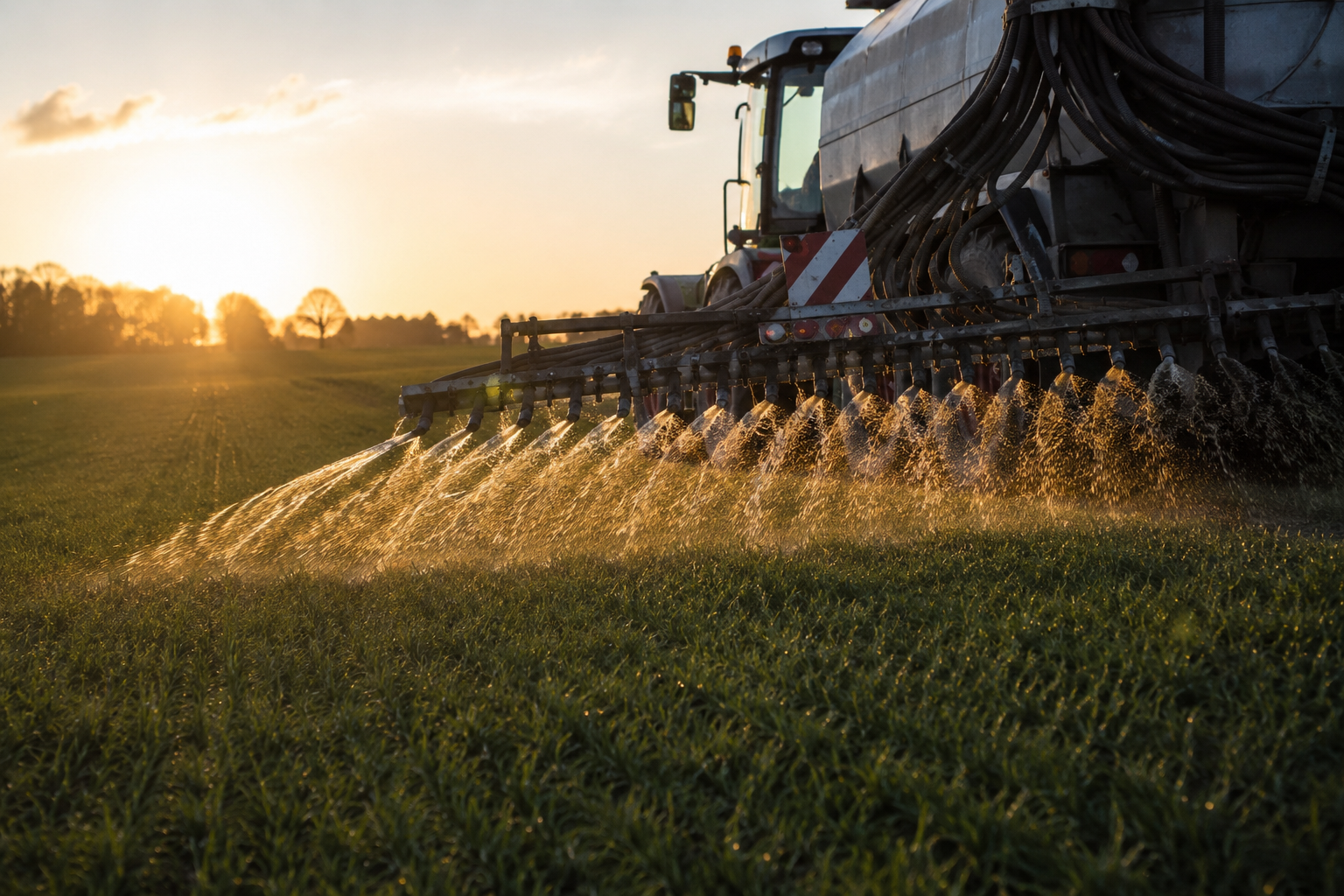
Spread with existing equipment or sell
Pelletize, silo-store, or spread
Total Input Volume Reduced to 8-10%
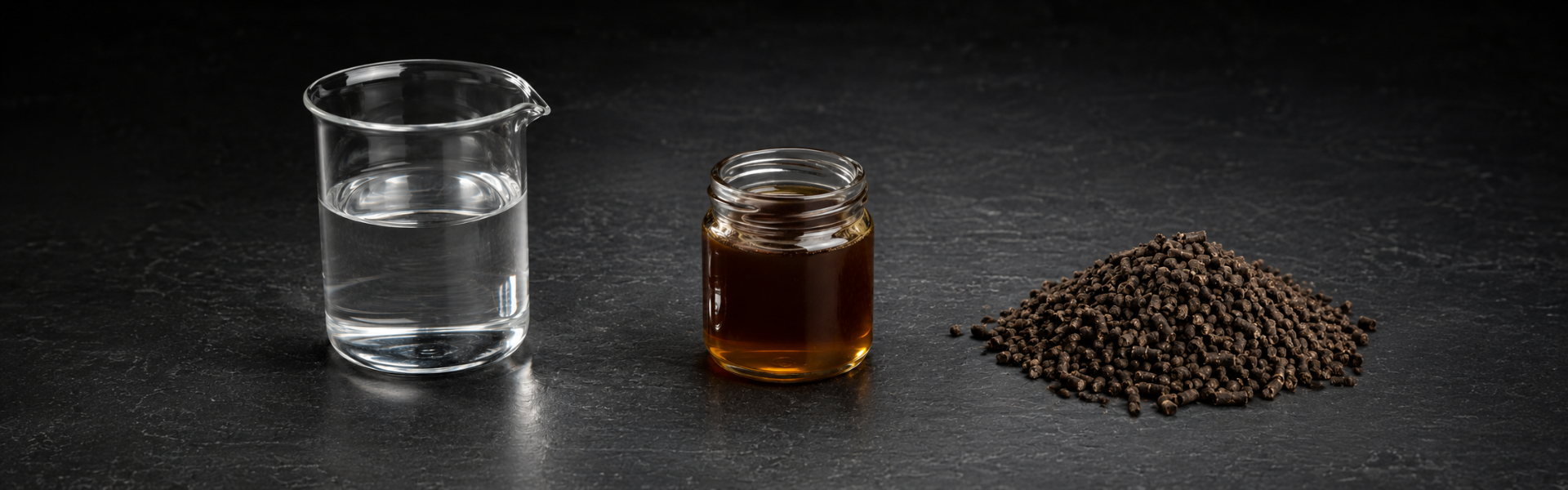
Approximately 10% solid fraction, achieved through further drying or pelletizing. It can be pelletized into storable Big Bags or loosely dried and stored in silos. The loose dried material spreads perfectly with standard agricultural machinery and builds excellent humus, making it highly valued by farmers.
What You Get
- ↗Volume reduction to 8–10% of the original volume
- ↗No pre-separation required
- ↗~15 kWh-e energy consumption per m³, independent of digestate quality
Commercial Terms
- ↗Solid fraction: pelletize, spread or silo
- ↗Varea fully finances the plant
- ↗Fixed monthly rental
- ↗3rd party maintenance included
- Highly robust dewatering with extremely low energy demand
Forward osmosis delivers reliable performance at ~15 kWh-e per m³, independent of digestate quality. Pelletizing the solid fraction requires additional energy.
- No nutrient loss during concentration
By using osmotic instead of hydraulic pressure or thermal energy, nutrients are neither broken down nor lost as gases.
- Membranes that do not foul
Conventional membrane processes (reverse osmosis and ultrafiltration) foul quickly on these streams, while evaporation incurs extremely high energy costs.
- No pretreatment required
No pretreatment or pre-separation is required. Raw digestate or manure goes straight in. Especially for hard-to-separate digestates (e.g. chicken manure with fine, electrically charged suspended solids), pre-separation can be replaced by additional membrane area.
Biogas operators and agricultural operations with significant digestate or manure volumes looking to cut disposal costs, reduce transport, and recover value without any capital outlay.
Want to reduce your digestate or manure volumes?
Contact Us